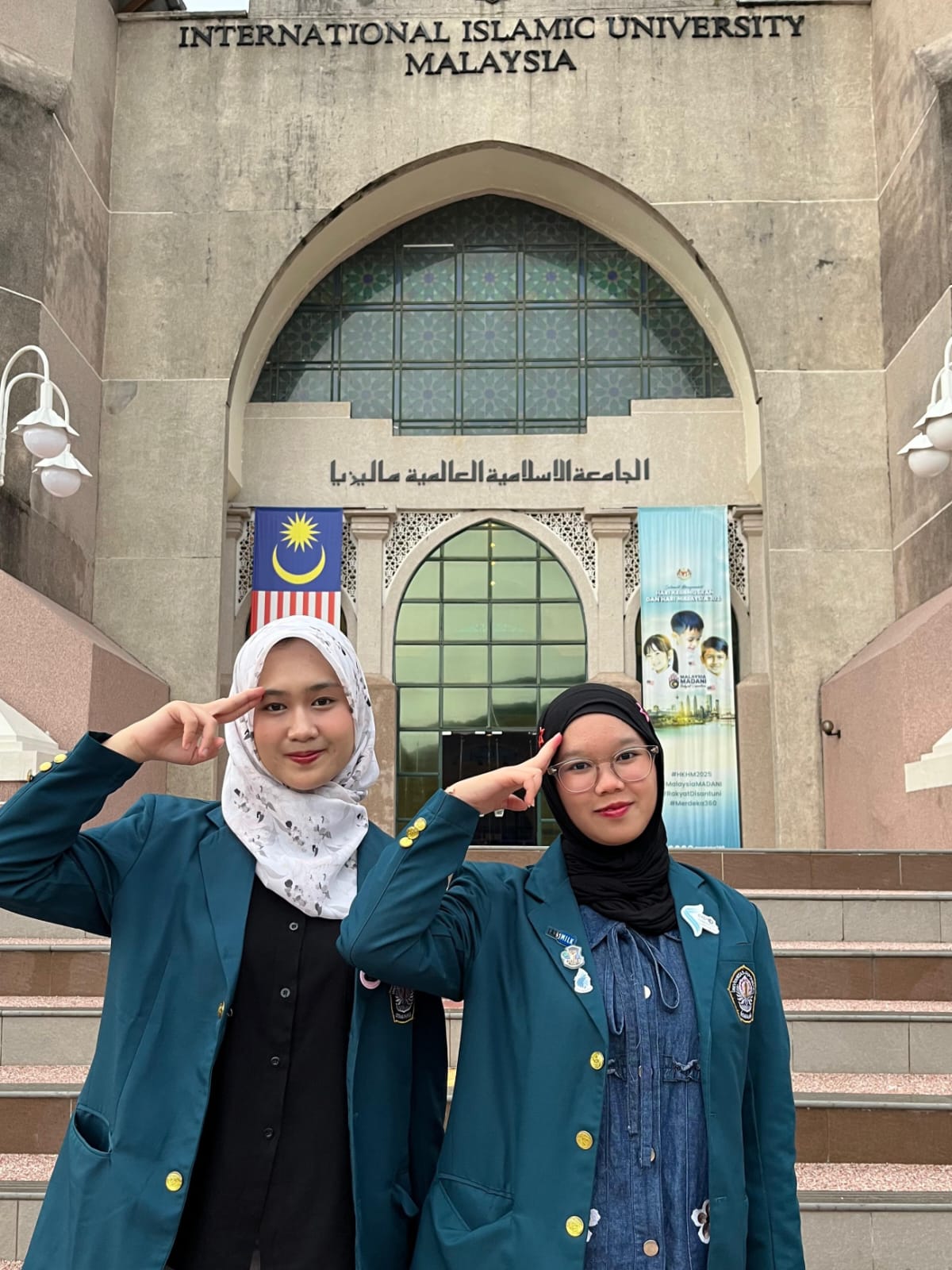
Universitas Diponegoro (UNDIP), through its World Class University (WCU) International Student Exchange Program, provides students with opportunities to enhance their academic competencies and international experiences through research activities and cultural exchange in Malaysia. The program was attended by Ahsa Pinkdalova Meixie Attonly and Aurelita Aidafitri, students of the Food Technology Department at UNDIP. Their activities focused on halal food authentication research and exploring Malaysia's halal culture and practices. The research program was conducted at the International Institute for Halal Research and Training (INHART), International Islamic University Malaysia (IIUM), from April 12 to May 9, 2026.
Halal Food Authentication through PCR Methods
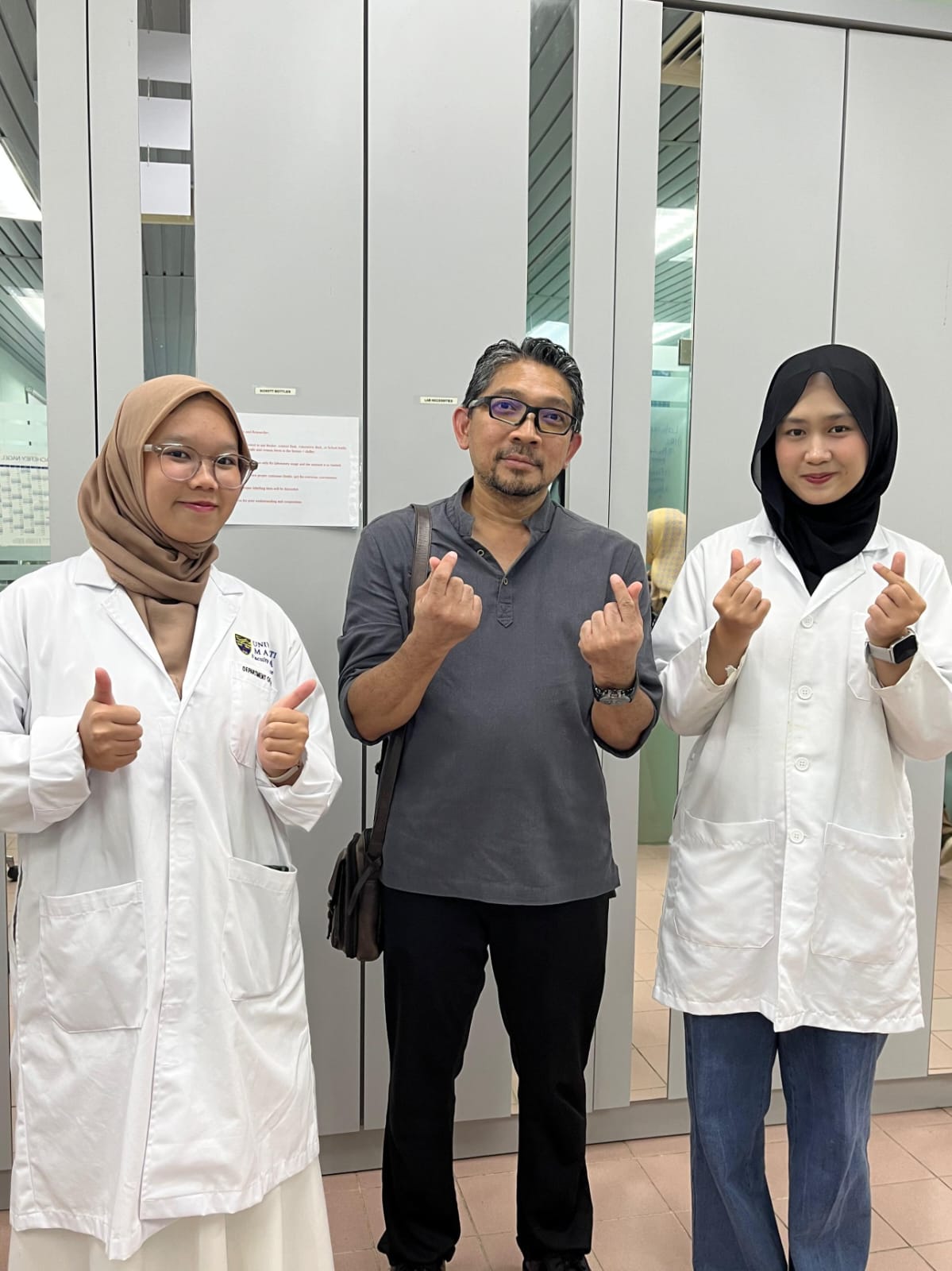
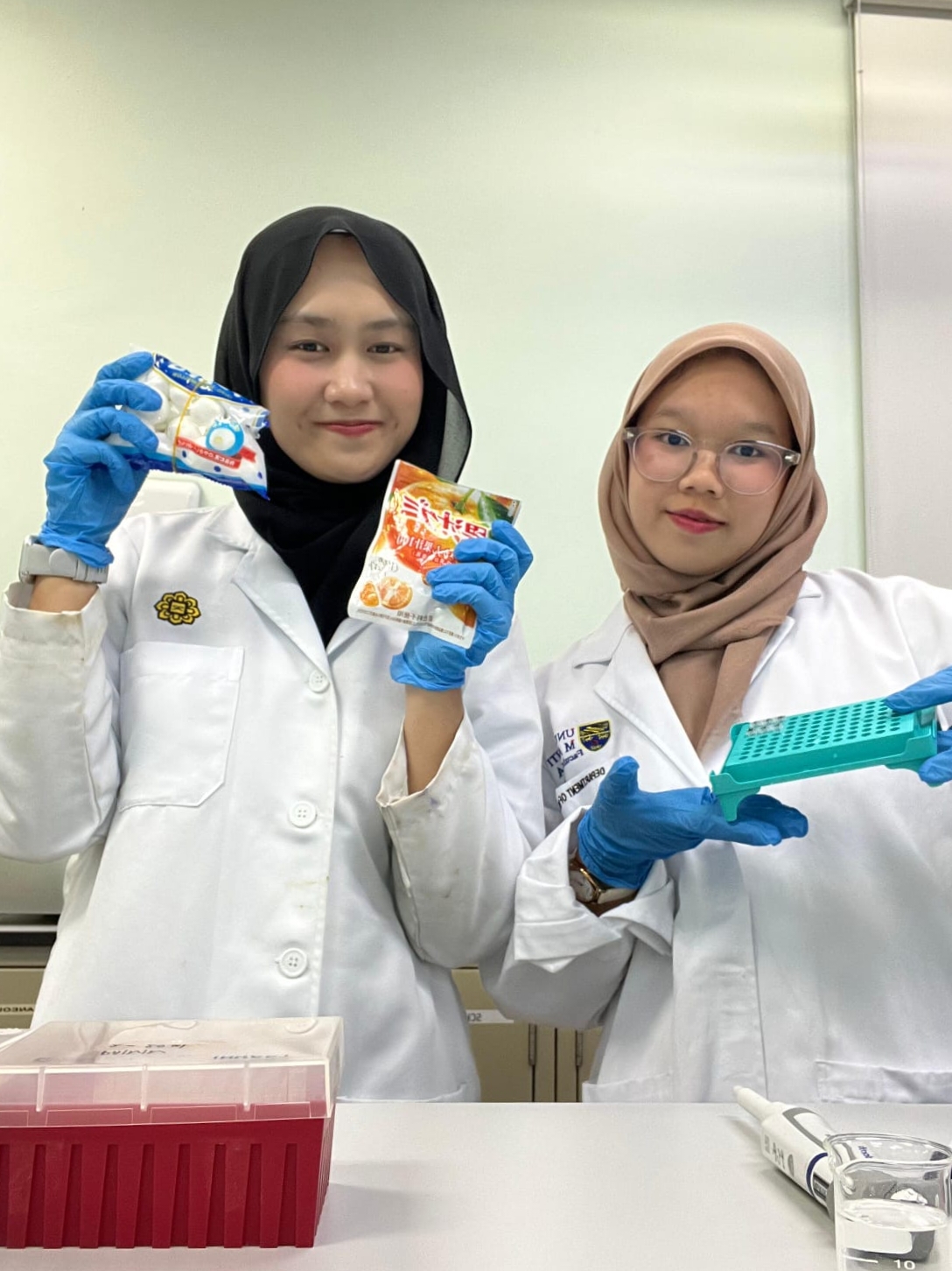
One of the main activities of this program involved conducting halal authentication research on processed food products, particularly to detect the presence of porcine DNA. The research utilized Polymerase Chain Reaction (PCR) techniques, including conventional PCR and Real-Time PCR, which enable the identification of specific genetic materials in food samples. This activity provided students with hands-on experience in understanding the application of molecular analysis techniques to support food halal authentication. Through direct involvement in the research process, students also gained practical knowledge of laboratory instrumentation, analytical method adjustments, and sample analysis procedures under the guidance of researchers and laboratory members at INHART, IIUM.
Participation in this research provided an opportunity for students to strengthen their technical laboratory skills while deepening their understanding of the importance of scientific approaches in halal authentication. DNA-based analytical methods are particularly relevant in food testing, as they can help identify materials derived from specific animal species and support the verification of food halal status.
Cultural Exchange and Exploration of Halal Awareness in Malaysia
Beyond research activities, the program also served as a platform for cultural exchange through interactions with Malaysian students and members of the IIUM academic community. These experiences allowed participants to gain insights into academic life, local customs, and Malaysian students' perspectives on halal culture. Cross-cultural discussions and interactions played an important role in broadening their understanding of how halal principles are incorporated into everyday life.
The exploration of halal culture also involved observing various food products available in campus cafeterias, residential college stores, supermarkets, and major shopping malls across Kuala Lumpur. These observations focused on halal labels and certifications, the availability of halal food options, and how halal considerations influence consumers' food choices. Such experiences provided valuable insights into the implementation of halal practices in Malaysia, both within educational institutions and in broader society.
Interactions with Malaysian students further enriched participants' perspectives on halal awareness among younger generations, particularly regarding how halal considerations influence everyday food consumption. The exchange of experiences and knowledge became a valuable learning opportunity that extended beyond academic aspects to include the social and cultural dimensions of the halal food industry.
Expanding Academic Perspectives and International Competencies
Through the International Student Exchange Program, UNDIP students gained valuable experience in an international academic environment while developing their research skills, cross-cultural communication, and adaptability. Their involvement in laboratory research and interactions with students from diverse cultural backgrounds contributed to strengthening their competencies in addressing developments in the food industry, particularly in the field of halal food.
This program is expected to broaden students' understanding of international developments in halal authentication research, strengthen their knowledge of halal practices across different cultural contexts, and encourage the development of international academic networks. These experiences also represent a contribution to Universitas Diponegoro's internationalization efforts and its commitment to developing graduates with strong academic competencies and a global perspective.